
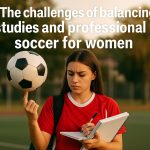
The challenges of balancing studies and professional soccer for women.
Introduction
Balancing academic pursuits with a career in professional soccer presents unique challenges for women athletes. As the landscape for women in sports evolves, particularly in soccer, there are increasing opportunities but also considerable demands on athletes’ time and resources. Understanding the multifaceted challenges these athletes face, both on and off the pitch, is essential for anyone interested in the dynamics of women’s sports.
Time Management
One of the most significant challenges that female soccer players encounter is effective time management. The demands of professional soccer are extensive, involving rigorous training regimens, frequent traveling, and numerous match commitments. These demands often clash with strict academic schedules, leading to a tangled web of obligations that can prove overwhelming. Meeting the dual demands of academia and athletics requires advanced time management skills and often significant personal sacrifices.
Training Schedules
Maintaining consistent training schedules is a cornerstone of professional development for aspiring female soccer players. Training occupies several hours each day, thereby reducing the time available for academic responsibilities. Aligning training schedules with scholarly obligations necessitates exceptional organizational skills. As a result, social activities and leisure time are often the first casualties in the athletes’ quest to succeed both academically and athletically.
Academic Commitments
The demands of scholarly life—attending lectures, engaging in group projects, and preparing for exams—are substantial. These academic commitments can conflict with training camps and match fixtures, causing stress and presenting challenges in keeping up with missed content. This duality necessitates a constant juggling act as student-athletes strive to maintain equilibrium between their educational endeavors and athletic aspirations.
Financial Considerations
The pursuit of a dual career in studies and professional soccer often leads to financial strain. While scholarships and sponsorships offer some financial relief, the cost of balancing these dual roles includes tuition fees, travel expenses, and sports equipment, which can accumulate rapidly.
Scholarships and Sponsorships
Scholarships are a lifeline for many athletes, yet they remain highly competitive and may not fully cover the financial demands of academic and athletic pursuits. Some players turn to external sponsorships to supplement their income. Securing and maintaining these sponsorships requires significant time and effort, adding another layer to the athletes’ already packed schedules.
Mental and Physical Health
Balancing the demands of academia and professional soccer often impacts athletes’ mental and physical health. The pressure to excel in both arenas can lead to stress, burnout, and an increased risk of injuries.
Psychological Stress
The relentless pressure to meet demanding academic criteria while maintaining peak athletic performance leads to elevated levels of psychological stress. This stress can adversely affect both academic performance and personal well-being, creating a cycle that’s difficult to break without proper support systems in place.
Injury Risks
Physical exhaustion resulting from tight schedules significantly increases the risk of injury. Pushing physical limits without adequate rest and recovery elevates the chances of injuries, which can jeopardize both educational and sports careers. The increased likelihood of injury is a recurring concern for female athletes striving to succeed in both arenas.
Institutional Support
Educational institutions and sports clubs are becoming increasingly aware of the critical role that support systems play in helping athletes achieve balance. Progressive schools and clubs implement programs that focus on flexible scheduling, academic support services, and mental health resources to ensure that female athletes can thrive in their dual roles.
Flexible Academic Programs
Many forward-thinking institutions provide customizable course structures to accommodate athletes’ schedules effectively. Options such as online classes, evening lectures, and flexible academic programs allow female athletes pursuing soccer as a career to better align their studies with their sporting commitments.
Well-being and Counseling Services
Counseling services are essential in ensuring athletes’ mental well-being, offering critical psychological support to manage the dual pressures of academic and athletic commitments. These services play a vital role in helping athletes navigate the complexities of balancing their sports careers with academic responsibilities.
Conclusion
Balancing studies and professional soccer presents distinctive difficulties for women athletes. Addressing these challenges requires multi-level support systems that effectively handle time management, financial aid, health, and institutional assistance. By recognizing and addressing these challenges, we can help create a more sustainable and supportive environment for women athletes pursuing dual careers. This approach not only benefits individual athletes but can also drive systemic improvements within women’s sports, ensuring that future generations of women in sports can pursue their passions without compromise.
Comments are Closed