
The rise of women’s soccer leagues in Asia.
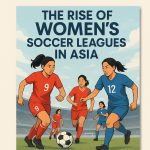
The Development of Women’s Soccer Leagues in Asia
The rise of women’s soccer leagues in Asia is a noteworthy development that mirrors the increasing global interest and investment in women’s sports. This growth not only aligns with worldwide trends but also possesses characteristics that are distinctly shaped by the region’s cultural, social, and economic context. Understanding these factors is crucial in comprehending the unique progression of women’s soccer in Asia.
Historical Context
The history of women’s soccer in Asia is both rich and complex. It has often been overshadowed by the long-established male leagues, leading to initial challenges in gaining recognition and support. In several Asian countries, the sport faced early resistance due to prevailing cultural norms that favored male sports. Additionally, a lack of resources further hindered its development. Despite these challenges, the recent surge in interest in women’s soccer reflects a shift in attitudes. This change has facilitated greater efforts to establish more structured leagues and foster enhanced competition among female players.
Early Barriers and Progress
Historically, many Asian societies have held traditional views on gender roles, which often relegated women’s sports to a secondary status. These perspectives impacted resource allocation, media coverage, and opportunities available to female athletes. However, over the last few decades, there has been a tangible change. Initiatives have been launched to address these disparities, giving rise to the formation of more organized women’s soccer leagues that promote equality and inclusivity.
Key Leagues and Their Impact
Several countries in Asia have taken significant steps in creating prominent women’s soccer leagues. The Chinese Women’s Super League, for example, has emerged as a formidable entity. By attracting international talent, it not only elevates the standard of competition but also offers local players a platform to demonstrate their abilities. This league has become a beacon of success, inspiring more participation at grassroots levels.
The Nadeshiko League in Japan stands as another pivotal entity in the development of the sport. It plays a critical role in nurturing talent through comprehensive training programs and competitive matches. As a result, the Japanese women’s national team has achieved considerable success on the international stage, setting an example for other Asian countries to follow.
Pioneering Pathways for Future Players
These key leagues are instrumental in laying down pathways for aspiring female soccer players. By providing robust infrastructure and facilities, they encourage young girls to pursue soccer as a viable career option. The success stories from these leagues offer role models for younger generations, showcasing the potential and promise that career in soccer can hold.
Investment and Development
Investment is the cornerstone for the growth of women’s soccer, and many Asian countries have recognized this by increasing their financial support for the sport. This investment is manifest in various forms, from funding players and coaches to enhancing infrastructure. Such financial backing is integral to propelling the sport forward.
Grassroots Initiatives
Simultaneously, national soccer associations have been proactive in launching grassroots initiatives. These programs are designed to identify and nurture young talent from an early age, ensuring a steady pipeline of skilled players who can progress to the professional level. By focusing on grassroots soccer, countries can create a sustainable framework that benefits not only the elite players but also the broader community.
Challenges Faced
Despite notable progress, women’s soccer in Asia is not devoid of challenges. Cultural attitudes towards gender roles continue to serve as a barrier in some regions. Traditional views on women’s participation in sports can limit opportunities and stifle development. Moreover, there remains a stark disparity in funding and support between male and female leagues.
Addressing Inequality
Efforts to address these challenges must be persistent and multifaceted. This requires a commitment from various stakeholders, including governments, sports organizations, and the private sector, to ensure that equitable growth is achieved for women’s soccer. Educational campaigns and community engagement can help shift societal attitudes, creating a more supportive environment for women’s sports.
The Role of International Competitions
International competitions have played a vital role in elevating the profile of women’s soccer in Asia. The AFC Women’s Asian Cup is particularly significant as it showcases the continent’s talent, offering players an opportunity to compete at high levels. Participation in global events such as the FIFA Women’s World Cup further enhances this exposure, providing invaluable experience to Asian teams.
Enhancing International Exposure
Through these competitions, Asian players gain exposure to different playing styles and strategies, allowing them to develop their skills further. This international experience is crucial for improving the overall standard of play and bringing innovative techniques back to domestic leagues.
The Future Outlook
The future of women’s soccer leagues in Asia holds great promise. With sustained investment and evolving societal views, the sport is set for continued growth. Future initiatives that focus on increasing participation and growing talent at all levels will be key to driving this progress.
Building on Success
To build on the successes achieved thus far, there must be a concerted effort to enhance accessibility and inclusivity in women’s soccer. By broadening the talent pool and ensuring that soccer is accessible to all, regardless of socio-economic background, Asia can continue to emerge as a formidable presence in global women’s soccer.
In conclusion, the development of women’s soccer leagues in Asia is a dynamic process shaped by historical, cultural, and economic influences. The future hinges on continued efforts from multiple stakeholders, aiming to harness the momentum and ensure a sustainable and successful trajectory for the sport across the continent.
Comments are Closed