
February, 2026
now browsing by month
The differences in playing styles across women’s leagues.

Introduction
Women’s football leagues around the globe capture a rich tapestry of playing styles that reflect unique cultural influences, coaching methods, and player development systems. This breadth of diversity is not only a testament to the growth of the women’s game but also serves to enhance the excitement of international tournaments such as the FIFA Women’s World Cup as teams with varied approaches compete on a global platform.
The European Style
In examining the playing styles of European women’s leagues, the emphasis often falls on technical proficiency and tactical sophistication. Countries like Germany, France, and Spain are at the forefront of this movement. Players here are groomed from early on to prioritize ball control, strategic thinking, and precise execution. Leagues such as the French Division 1 Féminine and the Frauen-Bundesliga take pride in creating a balance where physical strength and technical skill go hand in hand.
Spanish La Liga F teams frequently exemplify a possession-based playing style. This method, reminiscent of its male counterpart, La Liga, is centered around maintaining control through intricate passing and fluid movement. Such strategies are ingrained at the youth level, with academies affiliated with top clubs stressing the importance of ball retention and structured game build-ups.
Links Between Coaching and Playing Style
The distinctive styles seen across European leagues are deeply rooted in prevalent coaching philosophies. High-level coaching certifications in these regions demand a substantial understanding of game tactics and player management. These requirements impact the way teams are managed and how players are trained. The coherence between coaching standards and playing style is further emphasized by national coaching guidelines and club training programs. Those looking to dive deeper into European football coaching standards can explore more through UEFA’s Technical Development programs.
The North American Approach
On the other side of the Atlantic, the National Women’s Soccer League (NWSL) of the United States offers a different narrative. Here, the league is characterized by its emphasis on athleticism and a vigorous, up-tempo game. Physical fitness and aggressive gameplay come to the forefront, manifesting in a direct style of play marked by quick transitions, high pressing, and an inclination toward rapid counterattacks and goal-scoring opportunities.
Influence of College Soccer
The North American playing style bears the undeniable imprint of the collegiate sports infrastructure. Athletic scholarships available in college sports place a premium on fitness and competitive excellence. College soccer offers an advanced level of competition that has become a crucial feeder to the NWSL, cultivating a dynamic and spirited approach to the game. Information on how collegiate impact shapes the game can be found through NCAA resources.
Emerging Styles in Asia and Beyond
Across Asia, women’s football is burgeoning, with leagues in countries like Japan and Australia carving out their identities, influenced by both European and North American styles. In Japan, the Nadeshiko League is lauded for its meticulous tactical organization, skillfully merging technical finesse with a deliberate attacking discipline.
Conversely, the A-League Women in Australia is recognized for its hybrid style, where technical ability meets a more pragmatic, direct approach. This blend is influenced by Australia’s geographical and competitive connections, straddling the Asian Football Confederation and Western football traditions.
The Role of International Competitions
International competitions serve as a melting pot for these varied styles, providing a venue for cross-cultural interaction and tactical ingenuity. Coaches and teams often adapt strategies observed in successful rivals to suit their contexts, spurring the dynamic evolution of playing styles that contribute to the rich global mosaic of women’s football.
Conclusion
The diversity in women’s league playing styles globally underscores the sport’s vibrancy and adaptability. From the strategic intricacy championed by European leagues to the swift and vigorous approach exemplified in North American soccer, each region offers its own distinct flavor to the sport. As the game of football continues to grow and evolve, these styles will further adapt, enhancing the global appeal and richness of the sport.
The history of women’s soccer in the FIFA rankings.

Introduction to Women’s Soccer in FIFA Rankings
The history of women’s soccer in the FIFA rankings is a testament to the significant progress and development within the sport. Over the years, women’s soccer has seen remarkable growth in both participation and recognition, particularly since FIFA began issuing these rankings. These rankings offer a comprehensive overview of how national teams have evolved over time, providing insights into the competitiveness of women’s soccer on the international stage.
FIFA Women’s World Rankings: A Brief History
FIFA introduced the Women’s World Ranking system in July 2003, almost a decade after implementing rankings for men’s teams. The primary purpose of this system was to offer a standardized method for assessing and comparing the performance of women’s national teams on a global scale. At its inception, the rankings included 99 national teams, with the United States women’s national team securing the top position. Since then, the rankings have expanded significantly, now tracking over 150 teams worldwide. These rankings are updated four times a year, which underscores the dynamic nature of international women’s soccer.
Key Developments in Rankings Methodology
The ranking algorithm introduced by FIFA considered several factors, including match results, the importance of the matches, the strength of the opponents, and the teams’ past performances. While the basic concept remains consistent over time—awarding points based on match outcomes and the relative strength of the opponents—the methodology has seen several adjustments to maintain its fairness and accuracy. This refinement ensures that the rankings accurately reflect the performance levels of teams as they change over time.
Dominant Teams in Women’s Soccer Rankings
Throughout the history of these rankings, certain teams have consistently demonstrated their strength. Teams like the United States, Germany, and Norway have been perennial top contenders, each showcasing a solid presence in women’s soccer. The United States has been particularly dominant, frequently securing the top rank. This success is attributed to a mix of successful tournament performances and a well-established domestic soccer infrastructure that supports player development at all levels.
Impact of FIFA Rankings on Women’s Soccer
The significance of the FIFA rankings extends beyond mere numbers on a list; they have played a crucial role in the growth and visibility of women’s soccer globally. Firstly, these rankings provide an objective measure of team performance, which encourages competitive balance in international competitions. Lower-ranked teams are motivated to challenge themselves and improve, while higher-ranked teams strive to maintain or enhance their positions. Furthermore, the rankings are instrumental in determining tournament seedings, which are critical for teams aiming for favorable positions in major competitions such as the FIFA Women’s World Cup.
The influence of these rankings also reinforces global interest and investment in women’s soccer. As the sport becomes increasingly competitive, more countries are recognizing the importance of supporting women’s soccer programs. This growing recognition translates into various improvements, such as better training facilities, professional development for players and coaches, and enhanced domestic leagues, which collectively contribute to the overall elevation of the sport.
In summary, the evolution of women’s soccer as reflected in the FIFA rankings showcases the sport’s continual growth and development on the international stage. These rankings remain an essential tool for measuring progress and inspiring further advancements. As more countries invest in women’s soccer, the level of competition is set to rise, promising an even more exciting and dynamic future for the sport.
For additional details on the history and methodology of the FIFA women’s rankings, you can explore the official FIFA website.
The impact of fan culture on women’s soccer.

Introduction
Fan culture plays a significant role in shaping the dynamics of women’s soccer, influencing everything from the popularity of the sport to the financial stability of teams and leagues. This article explores how fans contribute to the growth of women’s soccer and examines the challenges and opportunities their involvement presents.
The Growth of Fan Culture in Women’s Soccer
In recent years, fan engagement has become increasingly vital for the success of women’s soccer. With the rise of social media platforms and streaming services, fans now have more ways than ever to support their favorite teams and players. This heightened visibility leads to increased attendance at matches and boosts television ratings, translating into greater revenue opportunities for clubs and leagues.
Social Media Influence
Social media platforms have empowered fans to connect with players and clubs directly. Athletes often use these platforms to engage with their followers, share behind-the-scenes content, and advocate for women’s sports issues. This interaction creates a strong community, encouraging fans to become more invested in the success of women’s soccer. For example, the National Women’s Soccer League (NWSL) has seen a surge in popularity, partly due to active social media engagement by teams and players.
Increased Attendance and Viewership
As fan culture grows, so does attendance at women’s soccer matches. Events like the FIFA Women’s World Cup have shattered viewership records, drawing millions of viewers worldwide. Such events further help mainstream exposure, encouraging sponsorships and investments that are crucial for the sustainability of women’s soccer leagues.
Financial Implications of Fan Culture
The economic impact of an engaged fan base cannot be understated. Fans contribute directly through ticket sales, merchandise purchases, and subscriptions to streaming services. This revenue stream is vital for clubs’ financial health, enabling them to invest in player development, facilities, and marketing strategies.
Sponsorship Opportunities
A strong fan culture attracts sponsors who view women’s soccer as a growing market with potential for brand building. Companies like Nike, Visa, and Coca-Cola have sponsored women’s soccer events, helping to increase the sport’s visibility and financial stability. These sponsorships offer clubs and leagues the resources needed to improve their operations and support players.
Challenges in Monetization
Despite these positive developments, monetizing fan culture in women’s soccer still faces challenges. Women’s leagues often receive less media coverage and investment compared to their male counterparts, limiting potential revenue. Additionally, building an enduring fan base requires continuous outreach and engagement efforts, which can be resource-intensive.
Challenges and Opportunities for Future Growth
While fan culture has positively impacted women’s soccer, several challenges remain that need addressing for sustained growth.
Gender Equality in Sports
The disparity in media coverage and investment between men’s and women’s sports remains a barrier. Efforts to promote gender equality, increase media visibility, and ensure equitable investment are crucial for leveling the playing field and attracting a more diverse fan base.
Fostering Local and Global Communities
Building local communities around women’s soccer teams can create a sense of belonging and pride, resulting in loyal fan bases. Simultaneously, cultivating a global fan community through international tournaments and collaborations can further boost the sport’s profile and reach.
For further information on women’s soccer and its growth, visit the official FIFA Women’s World Cup website
The rise of women’s soccer leagues in Asia.
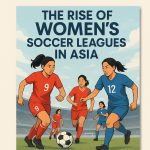
The Development of Women’s Soccer Leagues in Asia
The rise of women’s soccer leagues in Asia is a noteworthy development that mirrors the increasing global interest and investment in women’s sports. This growth not only aligns with worldwide trends but also possesses characteristics that are distinctly shaped by the region’s cultural, social, and economic context. Understanding these factors is crucial in comprehending the unique progression of women’s soccer in Asia.
Historical Context
The history of women’s soccer in Asia is both rich and complex. It has often been overshadowed by the long-established male leagues, leading to initial challenges in gaining recognition and support. In several Asian countries, the sport faced early resistance due to prevailing cultural norms that favored male sports. Additionally, a lack of resources further hindered its development. Despite these challenges, the recent surge in interest in women’s soccer reflects a shift in attitudes. This change has facilitated greater efforts to establish more structured leagues and foster enhanced competition among female players.
Early Barriers and Progress
Historically, many Asian societies have held traditional views on gender roles, which often relegated women’s sports to a secondary status. These perspectives impacted resource allocation, media coverage, and opportunities available to female athletes. However, over the last few decades, there has been a tangible change. Initiatives have been launched to address these disparities, giving rise to the formation of more organized women’s soccer leagues that promote equality and inclusivity.
Key Leagues and Their Impact
Several countries in Asia have taken significant steps in creating prominent women’s soccer leagues. The Chinese Women’s Super League, for example, has emerged as a formidable entity. By attracting international talent, it not only elevates the standard of competition but also offers local players a platform to demonstrate their abilities. This league has become a beacon of success, inspiring more participation at grassroots levels.
The Nadeshiko League in Japan stands as another pivotal entity in the development of the sport. It plays a critical role in nurturing talent through comprehensive training programs and competitive matches. As a result, the Japanese women’s national team has achieved considerable success on the international stage, setting an example for other Asian countries to follow.
Pioneering Pathways for Future Players
These key leagues are instrumental in laying down pathways for aspiring female soccer players. By providing robust infrastructure and facilities, they encourage young girls to pursue soccer as a viable career option. The success stories from these leagues offer role models for younger generations, showcasing the potential and promise that career in soccer can hold.
Investment and Development
Investment is the cornerstone for the growth of women’s soccer, and many Asian countries have recognized this by increasing their financial support for the sport. This investment is manifest in various forms, from funding players and coaches to enhancing infrastructure. Such financial backing is integral to propelling the sport forward.
Grassroots Initiatives
Simultaneously, national soccer associations have been proactive in launching grassroots initiatives. These programs are designed to identify and nurture young talent from an early age, ensuring a steady pipeline of skilled players who can progress to the professional level. By focusing on grassroots soccer, countries can create a sustainable framework that benefits not only the elite players but also the broader community.
Challenges Faced
Despite notable progress, women’s soccer in Asia is not devoid of challenges. Cultural attitudes towards gender roles continue to serve as a barrier in some regions. Traditional views on women’s participation in sports can limit opportunities and stifle development. Moreover, there remains a stark disparity in funding and support between male and female leagues.
Addressing Inequality
Efforts to address these challenges must be persistent and multifaceted. This requires a commitment from various stakeholders, including governments, sports organizations, and the private sector, to ensure that equitable growth is achieved for women’s soccer. Educational campaigns and community engagement can help shift societal attitudes, creating a more supportive environment for women’s sports.
The Role of International Competitions
International competitions have played a vital role in elevating the profile of women’s soccer in Asia. The AFC Women’s Asian Cup is particularly significant as it showcases the continent’s talent, offering players an opportunity to compete at high levels. Participation in global events such as the FIFA Women’s World Cup further enhances this exposure, providing invaluable experience to Asian teams.
Enhancing International Exposure
Through these competitions, Asian players gain exposure to different playing styles and strategies, allowing them to develop their skills further. This international experience is crucial for improving the overall standard of play and bringing innovative techniques back to domestic leagues.
The Future Outlook
The future of women’s soccer leagues in Asia holds great promise. With sustained investment and evolving societal views, the sport is set for continued growth. Future initiatives that focus on increasing participation and growing talent at all levels will be key to driving this progress.
Building on Success
To build on the successes achieved thus far, there must be a concerted effort to enhance accessibility and inclusivity in women’s soccer. By broadening the talent pool and ensuring that soccer is accessible to all, regardless of socio-economic background, Asia can continue to emerge as a formidable presence in global women’s soccer.
In conclusion, the development of women’s soccer leagues in Asia is a dynamic process shaped by historical, cultural, and economic influences. The future hinges on continued efforts from multiple stakeholders, aiming to harness the momentum and ensure a sustainable and successful trajectory for the sport across the continent.